Cheapest First Car to Insure in the UK
The cheapest first cars to insure in the UK: insurance groups 1–5, the models that sit in them, and the running costs beyond the premium.
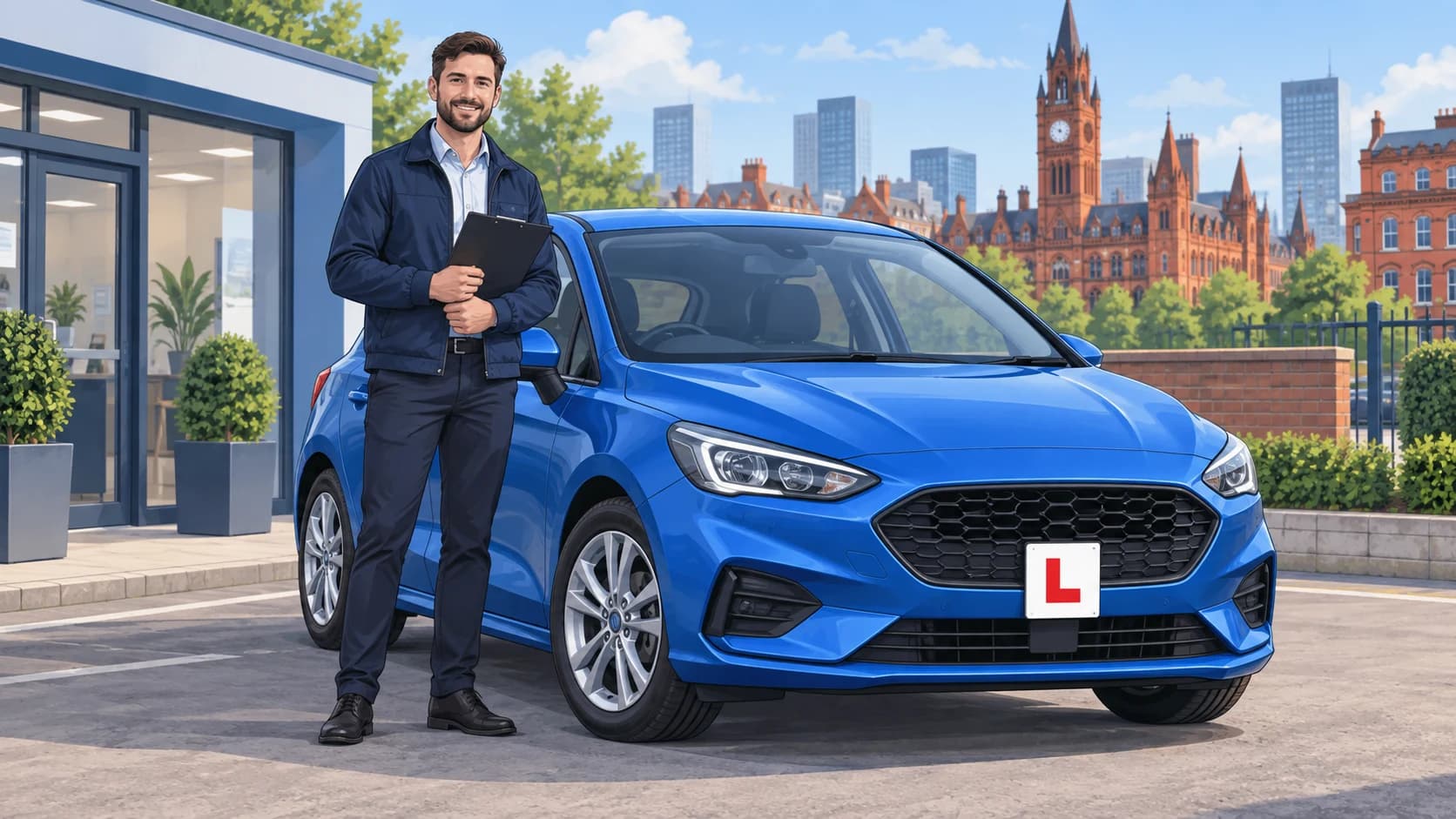
For a new driver, insurance is the biggest bill — bigger than fuel, tax and servicing combined. The car you choose moves that bill more than almost any other decision, because insurers price largely on the car's insurance group. Pick a car in group 1 and you can pay hundreds of pounds a year less than the same driver in a group 15 to 20 car. This guide explains how insurance groups work, which cars sit in the cheapest groups, and what else a first car costs to run.
Insurance groups: the number that matters most
Every car sold in the UK sits in an insurance group from 1 to 50, set by the Thatcham Research and ABI Group Rating Panel. Group 1 is the cheapest to insure; group 50 is the most expensive. The group reflects the car's value, repair costs, parts prices, performance and safety features. For a first car, the target is groups 1 to 5. Small city cars with 1.0-litre engines dominate groups 1 to 3 — the Hyundai i10, Kia Picanto, Toyota Aygo, Volkswagen Up and Skoda Citigo. Avoid anything with a turbo, a sport badge such as ST, GTI or VXR, or a group above 15 in your first year: those jump to group 25 and above, and the premium follows.
The premium figures in this guide are not ours. They come from Car Insurance Expert's 2026 composite, rebased to the Confused.com Price Index age-17 average of £1,695 a year (March to May 2026), for comprehensive cover on a standard 17 to 18-year-old profile. Individual quotes vary with postcode, telematics and named drivers, so treat the figures as a comparison between cars, not as a quote for you.
The cheapest first cars to insure
The eight cheapest mainstream first cars, on that composite, are all small petrol city cars in groups 1 to 9:
- Hyundai i10 1.0 — group 1, around £1,240 a year. The cheapest mainstream car to insure for new drivers, roughly £455 under the £1,695 age-17 average. It is also rated the most reliable small car by Warranty Direct, ahead of the Toyota Yaris and VW Polo.
- Kia Picanto 1.0 — group 1 to 4, around £1,290 a year.
- Toyota Aygo X 1.0 — group 1 to 3, around £1,320 a year.
- Volkswagen Up 1.0 — group 1 to 2, around £1,350 a year.
- Fiat 500 1.2 — group 3, around £1,450 a year.
- Vauxhall Corsa 1.2 — group 3 to 9, around £1,560 a year.
- Toyota Yaris Hybrid — group 3 to 7, around £1,600 a year.
- Ford Fiesta 1.1 — group 2 to 9, around £1,640 a year.
The spread tells the story. Moving from a group 1 car to a group 15 to 20 car can add £500 to £1,000 a year — often more than the price difference between the two cars. Discontinued used models on the same platforms, such as the SEAT Mii, Skoda Citigo and Suzuki Celerio, can be a little cheaper again. On a sensible first car in insurance group 1 to 4, a UK new driver typically pays around £1,240 to £1,640 a year for comprehensive cover in 2026, against the £1,695 age-17 average and a £1,800 to £3,000 range across all new drivers.
What to look for in a first car
Judge a first car on total cost, not sticker price, and work down this list in order. Insurance group first — stay in groups 1 to 5. Small engine, no turbo — a naturally-aspirated 1.0 to 1.2-litre engine keeps you in the low groups and sips fuel. Used over new — new drivers carry the highest claim risk, so a three to six-year-old car in the same low group saves thousands in depreciation and purchase price; buy on condition and service history, not age. Safety rating — a four or five-star Euro NCAP score protects you and can trim the premium, but check the year the specific model was tested. Cheap, common parts — mainstream models like the Fiesta, Corsa, i10 and Picanto have plentiful, low-cost parts, which keeps repair bills — and therefore insurance groups — down. And skip modifications: alloys, remaps and body kits raise the group and must be declared; non-declaration can void the policy. Keep a first car standard.
Running costs beyond insurance
Insurance is the biggest line, but it is not the only one. On a typical group 1 to 3 city car in 2026, a new driver should budget for the following each year, on top of the car's purchase price. Fuel runs about £600 to £900 a year — the i10, Picanto, Aygo and Up all return 55 to 60 miles per gallon, and the Toyota Yaris Hybrid stretches to 58 to 68 miles per gallon, cutting fuel bills further for higher-mileage drivers. Road tax depends on the car's age and emissions: check the GOV.UK vehicle tax tables for the exact figure, but small pre-2017 petrol cars can be as little as £20 a year, while cars registered from April 2017 pay the standard rate of £200 a year for a single 12-month payment. Servicing and tyres run about £200 to £400 a year — city cars are cheap to service and run narrow, inexpensive tyres. And the MOT, needed first at three years old and then annually, has a maximum test fee of £54.85 for a car, set by the DVSA — no VAT on the fee.
New or used?
A used car in insurance group 1 to 3 is usually the smarter first car. Tying up £12,000 or more in a brand-new car you might scuff in your first year rarely makes sense. A three to six-year-old i10, Picanto or Aygo costs a fraction of the price, sits in the same low insurance group, and loses far less to depreciation. Buy on condition and service history rather than age, because a well-kept used city car is the classic first car for good reason.
Petrol, hybrid or electric?
Petrol still wins for most first cars on upfront cost, and small petrol city cars fill the cheapest insurance groups. Hybrids such as the Toyota Yaris cut fuel bills to 58 to 68 miles per gallon but cost more to buy. Electric cars are cheap to run and now sit in reasonable groups, but used EV prices and home-charging access are the deciding factors. For a first car on a tight budget a low-group petrol i10 or Picanto is usually the cheapest to own overall; consider a hybrid or EV only if the higher purchase price fits your budget.
The black box question
Telematics — a black box policy — is the single biggest saving a new driver controls after the choice of car. Around 78% of 17 to 20-year-olds pay less on a black-box policy, because the insurer prices on your recorded driving score rather than giving an automatic discount. Careful driving is what produces the saving. On a low-group first car like an i10 or Picanto a black box can bring the premium down by a few hundred pounds a year. The trade-offs are curfews, speed monitoring and cover that can be voided for persistently harsh driving — read the terms before you sign.
Before you buy
Check three things before money changes hands. First, the insurance group of the exact trim you are buying — the same model can span several groups, and a sport trim can sit ten groups above the base car. Second, the car's history and MOT record, and whether it has any outstanding recall. Third, whether you plan to take your driving test in it: if you do, the car must meet the DVSA's rules for a test car — our guide to using your own car for your driving test covers the full checklist, and the cheapest car to insure is only a bargain if it can also carry you through the test.
Sources: Car Insurance Expert, "Best First Car for New Drivers: The Cheapest Small Cars to Insure (UK 2026)" (https://www.carinsuranceexpert.co.uk/guides/best-first-car) — read 6 November 2026. Confused.com Price Index (March–May 2026), age-17 average £1,695, as cited in that guide. Thatcham Research / ABI Group Rating Panel — the 1–50 insurance group scale and the group placings for each model listed, as cited in that guide. GOV.UK, "Vehicle tax rate tables" (https://www.gov.uk/vehicle-tax-rate-tables) — checked 6 November 2026. GOV.UK, "Getting an MOT: MOT test fees" (https://www.gov.uk/getting-an-mot/mot-test-fees) — checked 6 November 2026. GOV.UK, "Driving test: cars" (https://www.gov.uk/driving-test) — checked 6 November 2026.
Learning to drive in Manchester?
Free mock theory tests and hazard perception practice, and lessons with instructors who can see how you're doing.