What a mock test should teach you
A useful mock driving test identifies repeatable habits, independent decisions and clear practice priorities rather than pretending to be a DVSA result.
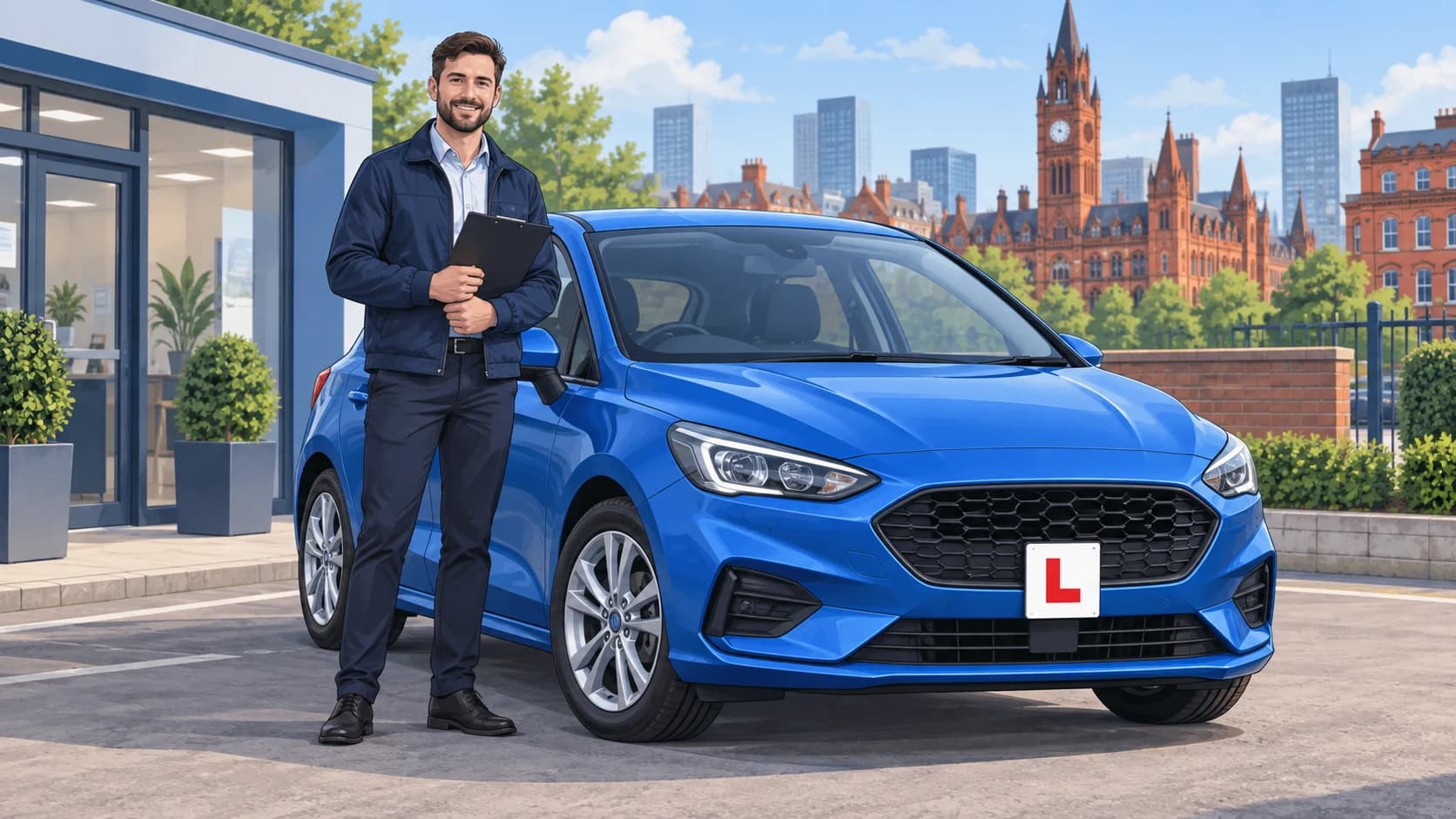
A mock driving test should show which decisions are repeatable, which faults recur and what to practise next—not simply produce a pass-style label. The value is in the evidence collected during a realistic drive. A mock should be structured enough to reveal mirror timing, speed choice, road position, junction approach, independent driving and manoeuvres while making clear that only the official test produces a DVSA result.
What the instructor should observe
The drive should include ordinary road situations and opportunities to make independent choices. The instructor can note whether you read signs early, selected a safe lane, kept a suitable gap, checked mirrors before changing direction and responded to pedestrians, cyclists or parked vehicles. One isolated mistake should be distinguished from a repeated pattern.
Ask for the context of each observation. What cue was available? When could you have acted? Was the issue control, knowledge, timing or attention? Specific language lets you practise the cause rather than memorise a correction that works only on one road.
Turn observations into a practice plan
Choose two priorities, not ten. If mirror timing is late, practise it on a quiet road before adding lane changes. If speed is too high at junctions, work on earlier sign reading and a safe approach speed. If manoeuvres are inconsistent, repeat low-speed control and all-round observation in spaces that vary.
Return to the same decision in a different location. Progress is stronger when you can recognise the cue away from the route used in the mock. Ask the instructor to reduce prompts and explain what evidence would show that the problem is improving.
Know what a mock cannot tell you
A mock is not a guarantee of a pass, an official assessment or proof that every future road will feel easy. Weather, traffic, nerves and an unfamiliar layout still matter. It is a snapshot that helps you decide whether more practice or a test booking is sensible.
Use the result honestly. If several decisions remain prompted, delay the test and practise. If the drive is independent and the remaining issues are small, discuss a realistic next step. The safest outcome is a clear plan that continues beyond one score.
A practical checklist
- Ask for an independent drive with varied roads and realistic directions.
- Record the cue, decision and consequence for each repeated fault.
- Choose two priorities and practise them away from the mock route.
- Repeat a shorter drive to check whether prompts are reducing.
- Treat the mock as evidence, never as a guaranteed official result.
Questions learners often ask
How long should a mock driving test be?
It should be long and varied enough to reveal normal habits, but the useful length depends on your level and the instructor’s plan. Quality of observation matters more than a fixed number of minutes.
Can a mock test replace weekly lessons?
Usually not. A mock identifies priorities; focused lessons and safe practice are what turn those priorities into repeatable decisions.
Use this guide to prepare questions rather than to replace an instructor or the official rules. You can compare Learn and Drive course options, practise the related topic in the learning hub, read the related learner guide and send a booking enquiry when you are ready. Tell us your area, experience and manual or automatic preference so the next step can be realistic.
Learning to drive in Manchester?
Free mock theory tests and hazard perception practice, and lessons with instructors who can see how you're doing.